Backstory
Prior to the Civil Rights Era in the United States, ambulances were mostly limited to police paddywagons and funeral hearses. These medically-untrained drivers would throw you on the cot, perhaps strap an oxygen mask to your face, and try to drive to the hospital before you died. While this was sufficient in many cases, it obviously led to many unnecessary deaths.
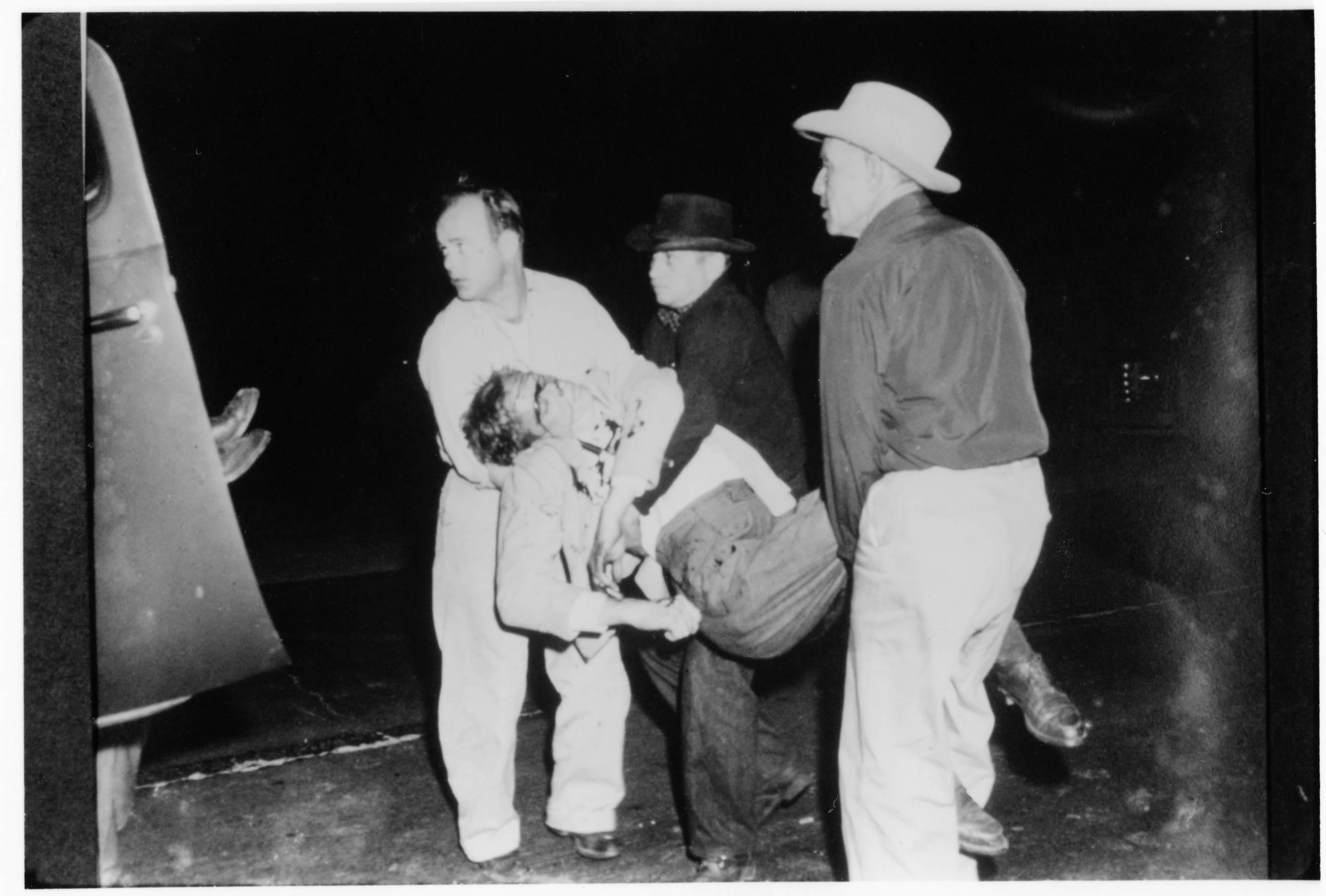
One day, the story goes, a surgeon witnessed a car crash and the subsequent lack of medical care. If only these police had more training, he reasoned, these deaths could have been prevented. Disgusted by what he had seen, he set to work. In 1966, "The White Paper" was published, which concluded, in part, that the government was "insensitive to the magnitude of the problem of accidental death and injury" in the US, that there was no standard for prehospital emergency care, with many different standards, incompatable, inadequate equipment, and untrained personnel. This white paper was widely influential in the development of EMS as we know it today.
Dr. Peter Safar ("The Father of CPR") was one of many physicians around the country searching for solutions to the problems outlined in The White Paper. Through a partnership with Freedom House - a "jobs program" - he trained the first class of paramedics in the country. While other cities had trained responders at basically the first aid level, Freedom House medics were the first in the nation to perform advanced skills.